How to Choose Long Distance Movers in NJ | KIMS
Choosing long distance movers in New Jersey comes down to three things: verified interstate authority, transparent pricing before the deposit, and a communication plan for the days between pickup and delivery. Whether you’re relocating from Burlington County to Florida, heading north to New England, or moving anywhere across state lines, a long-distance move works very differently from a local job — and knowing what to expect is the best way to avoid the most common surprises.
In this guide, we’ll walk you through how long-distance moving services actually work, what drives the cost, and what separates a move that goes smoothly from one that doesn’t.
On This Page
What Is a Long-Distance Move?
How Long-Distance Movers Work: Step by Step
What Long-Distance Moving Costs — and What Drives the Price
How to Verify a Long-Distance Mover’s Credentials
What to Ask Before You Book Interstate Movers in NJ
What KIMS Does Differently for Long-Distance Moves
Frequently Asked Questions
1. What Is a Long-Distance Move?
A long-distance move is generally defined as any relocation that crosses state lines — though some carriers define it as any move over 100 miles regardless of state borders. In New Jersey, the practical definition is simple: if you’re leaving the state, you’re doing a long-distance move, and the rules, pricing model, and logistics all shift accordingly.
That distinction matters because interstate moves are regulated federally by the FMCSA (Federal Motor Carrier Safety Administration), not just by state licensing. Any company moving your belongings across state lines must hold an active USDOT number and MC (Motor Carrier) authority — not just a state license like NJPM. A company operating locally in New Jersey with only a state license cannot legally haul your goods to Pennsylvania, Delaware, or Florida without that federal authority.
The other thing that changes with distance: pricing switches from hourly to weight-based. Local NJ moves are typically billed hourly. Long-distance moves are priced on the actual weight of your shipment multiplied by the mileage — which means the size and weight of your load matters far more than how quickly the crew works.
2. How Long-Distance Movers Work: Step by Step
Understanding the process helps you set realistic expectations — especially around the delivery timeline, which surprises more customers than almost anything else in a long-distance move.
Step 1: The Estimate
Your move starts with a detailed estimate. For long-distance jobs, an in-person or virtual walkthrough is strongly recommended over a phone quote — it’s the only way to get an accurate weight estimate, which is what your actual bill will be based on. A 30-second phone call with no questions asked is a sign the company hasn’t actually scoped your move yet.
Step 2: Packing and Loading Day
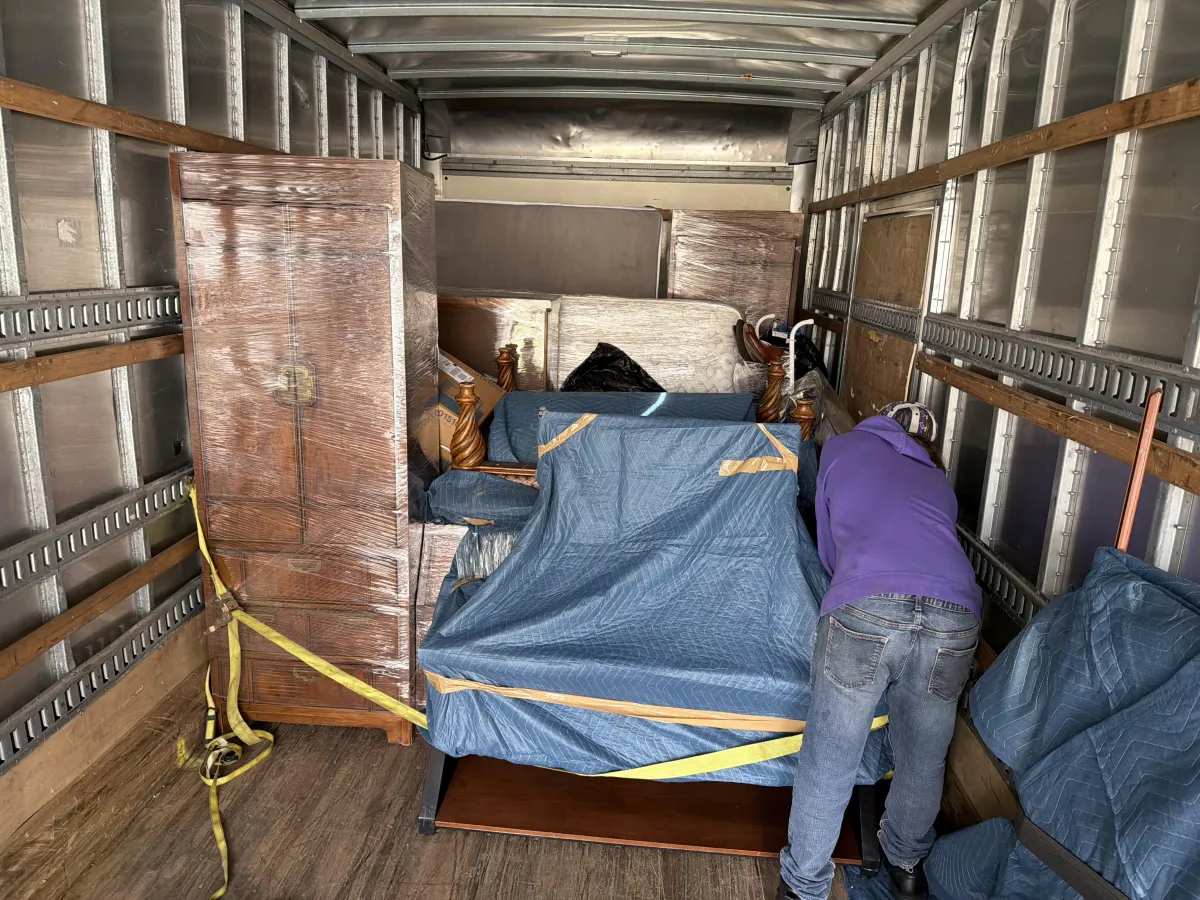
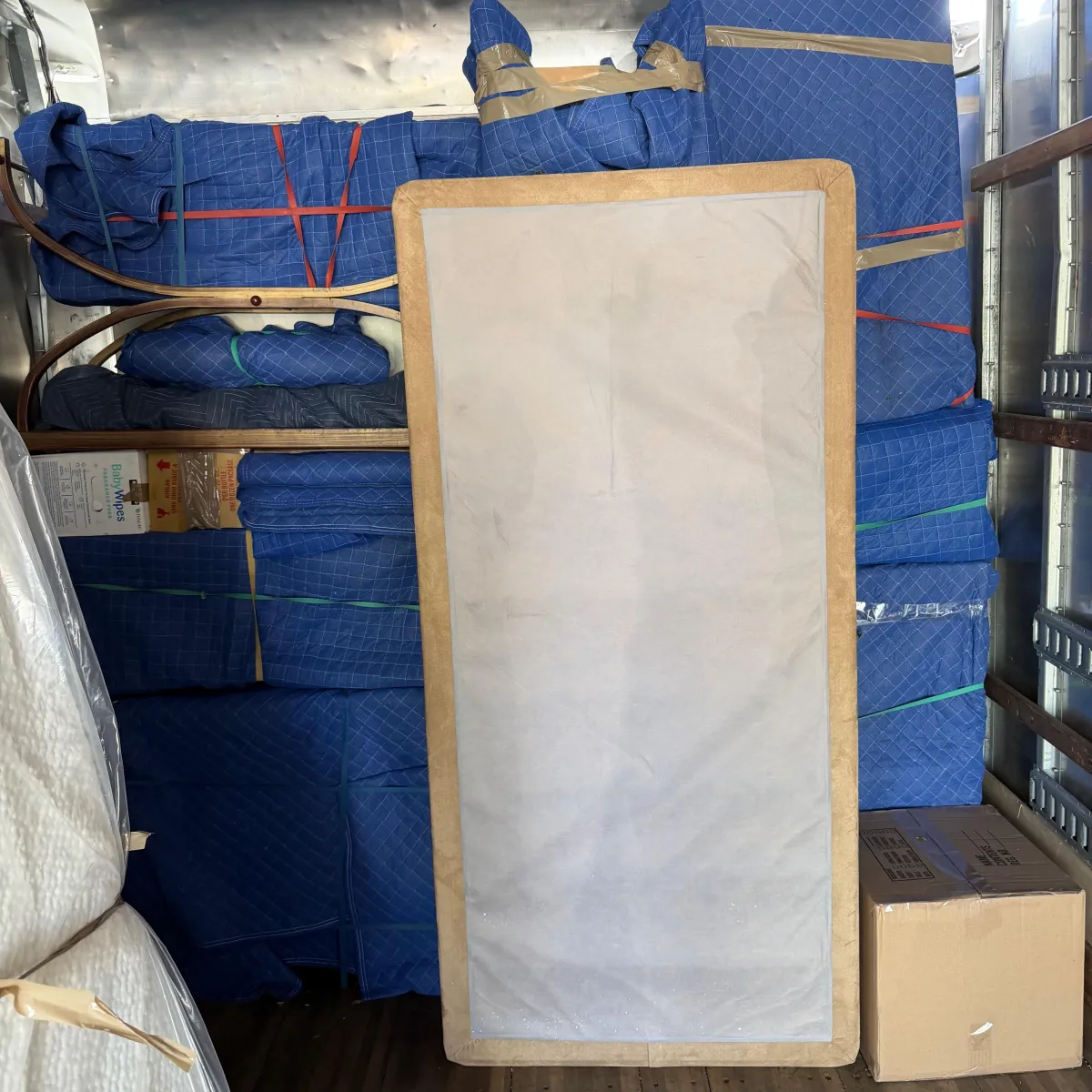
On loading day, the crew arrives, wraps and protects your furniture, and loads the truck. For long-distance moves, every item is inventoried — a numbered tag goes on each piece and gets logged to a Bill of Lading, the legal record of what was picked up and in what condition. You sign off on the inventory at the end of loading.
Step 3: In Transit
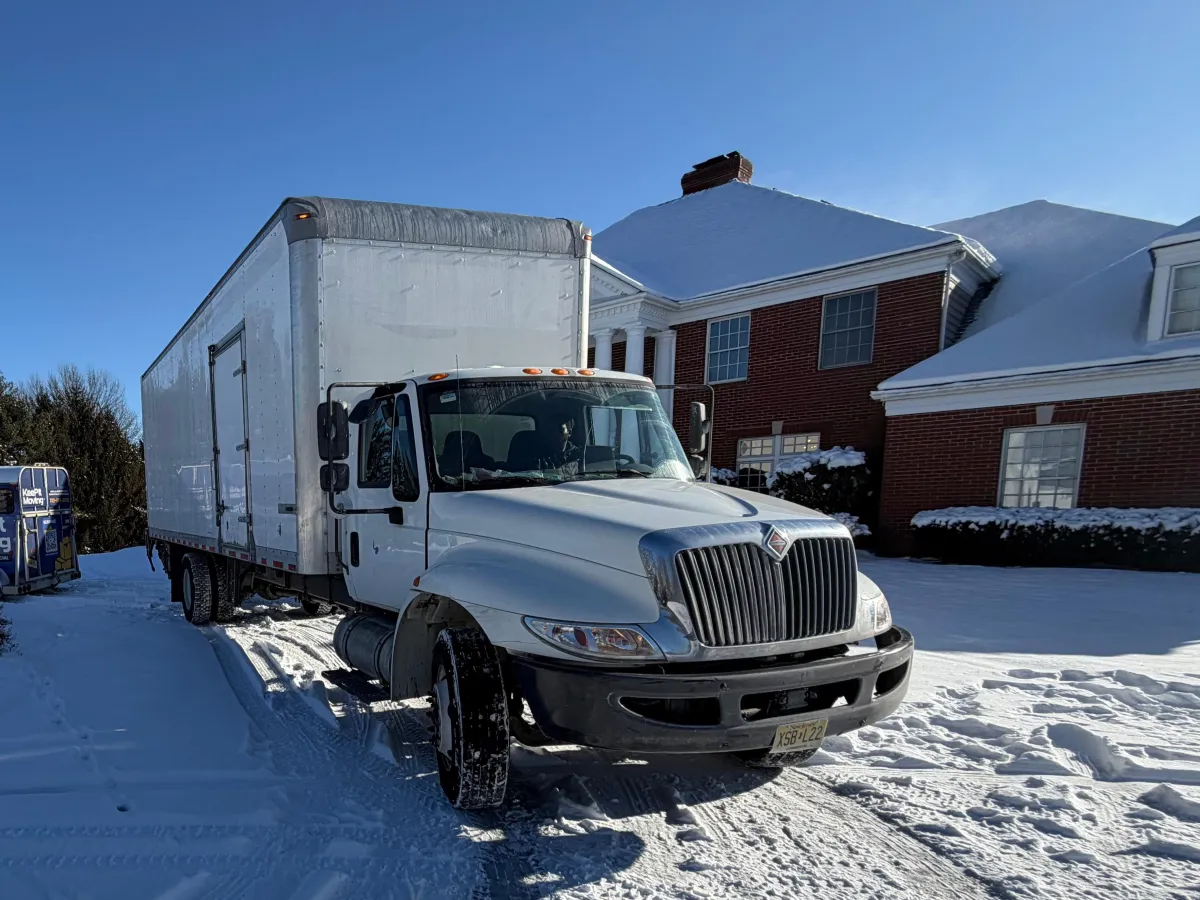
For interstate moves, federal Hours of Service rules limit how long a driver can be on the road each day. A move from Burlington County to Atlanta, for example, takes roughly 12+ hours of drive time — which means at least two driving days under federal limits. Your belongings are typically not in a truck exclusively devoted to your shipment unless you’ve booked dedicated service; otherwise they may share space with other customers’ goods on a consolidated run.
Step 4: The Delivery Window
The most misunderstood part of long-distance moving is the delivery window. Unlike a local move where the truck drops everything off the same day, interstate moves typically come with a spread of several days — sometimes longer during peak season (May through September). Most reputable companies won’t guarantee an exact delivery date; they’ll give you a window and confirm the specific day once the driver is within range. Plan to have essentials with you, not on the truck, for at least the first night in your new home.
Step 5: Delivery Day
You or an authorized representative must be present for delivery. The crew checks off each tagged item against the Bill of Lading, and you do a walkthrough before signing. Any damage claims start here — note anything before putting your signature on it.
3. What Long-Distance Moving Costs — and What Drives the Price
Interstate moving costs vary widely, but the main factors are consistent:
Shipment weight — the heavier the load, the higher the base rate
Distance — mileage is the multiplier applied to the weight-based rate
Services added — full packing and unpacking, crating for fragile items, specialty items like pianos or safes, and storage all add to the total
Time of year — summer is peak season; May through September typically comes with higher rates and longer lead times than a winter move
One of the most important concepts to understand before signing anything is the estimate type. A binding estimate locks your price based on the initial inventory — even if your shipment ends up heavier. A non-binding estimate can adjust upward based on actual weight at the scale. A binding not-to-exceed estimate is the most consumer-friendly: if your shipment weighs less than estimated, you pay less; if it weighs more, you pay no more than the agreed cap.
Understanding moving estimate types before you sign lets you compare quotes accurately and avoid a final bill that looks different from what you expected. The type of estimate alone can be worth hundreds of dollars in either direction.
4. How to Verify a Long-Distance Mover’s Credentials
This is the step most people skip — and the one that most clearly separates a smooth experience from a nightmare.
Look up their USDOT number on the FMCSA website.
The FMCSA’s Protect Your Move tool lets you search any carrier by USDOT number and see their operating authority, insurance status, and complaint history. A company with inactive MC authority, no insurance on file, or a pattern of formal complaints is a company to pass on — full stop.
Confirm their NJ state license.
Out-of-state companies servicing NJ residents should hold an NJ Public Movers license (NJPM number) in addition to federal authority. In-state NJ movers doing interstate work need both. If a company can’t give you both numbers when asked, that tells you something.
Check reviews — but look past the star rating.
One-star reviews describing held-hostage shipments (a real practice where a carrier refuses to release goods until you pay a higher-than-quoted amount), missing items, or unresponsive customer service are the patterns worth scanning for. A 4.9-star average means less if several of the 1-star reviews describe the exact same problem.
Ask about subcontracting.
Some companies act as brokers — they take your booking and hand it off to a third-party carrier you’ve never heard of. Ask directly: who actually drives and delivers — their own employees or a subcontracted carrier? A transparent company will answer without hesitation.
5. What to Ask Before You Book Interstate Movers in NJ
A few direct questions cut through a lot of confusion when you’re evaluating long distance movers near me:
What type of estimate is this — binding, non-binding, or binding not-to-exceed?
What are your USDOT and MC numbers? (Verify both at fmcsa.dot.gov before you commit.)
Is my shipment on a dedicated truck or consolidated with other customers?
Who handles the delivery — your own crew or a subcontractor?
What is the delivery window, and how will I be notified of the confirmed date?
What is your claims process if something is damaged or missing?
A company that gets defensive or vague about any of these questions is giving you an answer — just not the one you were hoping for.
6. What KIMS Does Differently for Long-Distance Moves
One thing we learned early on at Keep It Moving Services: the thing that goes wrong on a long-distance move is almost never the loading day. It’s the gap in between — the two or three days when your belongings are in transit and nobody has called with an update. We built our long-distance process around that gap specifically, with proactive check-ins from dispatch during transit so you’re never left wondering where your shipment is or when it’s arriving.
Our USDOT number is 4197741 and our MC authority is 1719484 — look us up on the FMCSA site and you’ll find active authority, current insurance, and a clean complaint record. We also hold NJ Public Movers license 39PM00500100. See our full licenses and certifications any time — they’re on the site because we want you to verify them.
We serve all 11 NJ counties for long-distance moves, starting with our home base in Burlington County. Whether you need full-service packing, specialty item handling, or just a professional crew to load and transport, we’ll scope your move in detail and give you a clear estimate before anything is signed.
According to the American Trucking Associations’ Moving & Storage Conference, the most common consumer complaints about interstate movers involve pricing that didn’t match the original estimate and shipments that arrived outside the promised window. That’s exactly why we default to binding estimates for long-distance jobs and build the communication plan before pickup day — not after.
Frequently Asked Questions
What qualifies as a long-distance move in New Jersey?
Any move that crosses state lines — or, depending on the carrier, any move over 100 miles — is typically classified as long-distance. The key distinction is that interstate moves require active federal FMCSA authority, not just a New Jersey state license. If you’re leaving NJ, you’re in long-distance territory.
How long does a long-distance move from NJ take?
Loading and pickup typically happen on one day. Transit to most East Coast destinations is 1–3 days; longer hauls like Florida or Texas can take 5–7 days or more. Most carriers provide a delivery window of several days rather than a guaranteed date — plan to have essentials with you while your shipment is in transit.
How is long-distance moving priced — hourly or by weight?
Long-distance moves are priced by shipment weight multiplied by distance, not hourly. This means downsizing before your move — donating, selling, or disposing of items you won’t need — can directly reduce your final cost. Every pound you leave behind is money saved on the haul.
What is an MC number and why does it matter for interstate movers?
An MC (Motor Carrier) number, issued by the FMCSA, authorizes a company to transport household goods across state lines commercially. A company without an active MC number is not legally permitted to haul your belongings out of New Jersey — and if something goes wrong, you’d have no federal recourse.
What’s the difference between a dedicated truck and a consolidated shipment?
A dedicated truck carries only your belongings from pickup to delivery. A consolidated shipment shares truck space with other customers’ goods, which can affect your delivery window (the truck runs a route, not a direct trip). Dedicated service typically costs more but gives you more control over timing.
How do I verify that my long distance movers are properly licensed in NJ?
Ask for their USDOT number and look them up at the FMCSA’s Protect Your Move site (fmcsa.dot.gov). Confirm active MC authority, current insurance on file, and no pattern of formal complaints. Also ask for their NJPM number for the NJ state license.
Can Keep It Moving Services move me out of New Jersey?
Yes — we hold active interstate authority (DOT 4197741, MC 1719484) and serve all 11 NJ counties for long-distance and out-of-state moves. Get a free estimate and we’ll scope your move and give you a clear price before anything is signed.
Do I need to be home for pickup and delivery?
Yes for both. You or an authorized representative needs to confirm the inventory and sign the Bill of Lading at pickup, and be present to check off each item at delivery before the crew leaves. It’s the same standard across reputable interstate movers — the paperwork is what protects both sides if anything needs to be disputed later. We got you ✨


